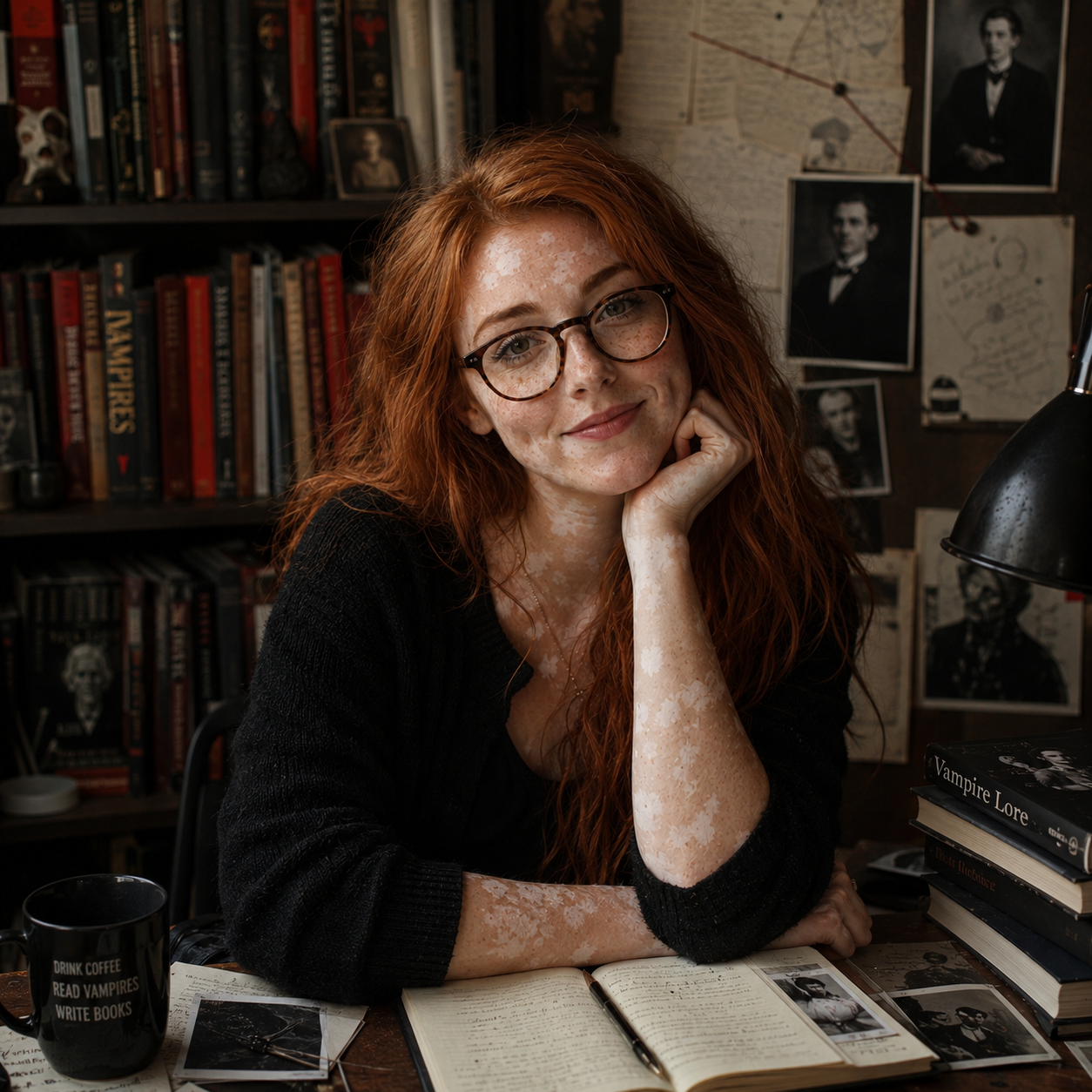
Vampire stories tell one of the prettiest lies in popular culture: danger will arrive beautifully lit.
It will have good posture. It will know your name. It will stand in a doorway instead of blocking an interstate exit. Its tragic history will be revealed at exactly the moment your judgment begins losing the argument with the soundtrack.
We know this is a lie. That is part of why we keep rewatching it.
Fiction makes danger legible
Real danger is often boring, ordinary, and badly dressed. It may look like pressure, isolation, entitlement, a financial trap, or a person who treats every boundary as a negotiation. Fiction improves the lighting because stories need shape.
The vampire turns abstract risk into an image. Hunger gets fangs. Predation gets an invitation rule. Power imbalance gets immortality. The audience can see the problem, which means the audience can safely play with attraction to it.
That safety matters. Enjoying a beautiful monster does not mean anyone has forgotten how real life works. Fantasy allows desire and judgment to sit next to each other without forcing either one to win.
Beauty delays the verdict
Beauty is narratively useful because it creates hesitation. A visibly ugly threat is easy to classify. A graceful one makes characters—and viewers—look twice.
Maybe he is misunderstood. Maybe the blood is symbolic. Maybe the locked west wing is a renovation issue. Maybe the fact that nobody in town will say his name is just local branding.
The joke works because attraction really can make people search for generous explanations. Vampire fiction exaggerates that cognitive delay until it becomes plot. The audience knows the monster is a monster and still wants to see what happens when he offers his hand.
The lie becomes harmful only when the story forgets it is lying
Dark fantasy does not need to become moral instruction. It does need enough self-awareness to distinguish seduction from endorsement.
A beautiful vampire can be sympathetic without becoming safe. A villain can be desirable without being secretly correct. A romance can contain danger without pretending that danger itself is proof of depth.
Problems begin when the narrative erases consequences to preserve the fantasy. If cruelty becomes “passion” only because the actor looks good, the story has stopped exploring the lie and started believing it.
That is where dangerous fictional attraction has to remain distinguishable from real-world judgment. The distinction is not prudish. It is what allows the fantasy to stay sharp.
We are allowed to want impossible things
One of fiction’s jobs is to let people want things they would never choose literally. Immortality. Revenge without paperwork. A castle with no heating bill. A lover who has been waiting centuries and somehow has no problematic opinions about the nineteenth century.
The wanting is not a contract. It is imagination.
That is why the best vampire stories do not panic when the audience finds the monster attractive. They build the attraction into the architecture. The question is what the story does with it. Does beauty conceal danger? Complicate it? Humanize it? Make the eventual consequence hurt more?
The truth is what survives the lighting change
Eventually every good Gothic scene has to survive daylight, literal or otherwise. The candles go out. The secret is named. The heroine gets enough information to make a real choice. The monster has to be judged by what he does when beauty is no longer doing free public relations.
That moment is why the lie is worth telling.
Give us the impossible cheekbones. Give us the velvet, the storm, the voice, the hand at the throat that is romantic only because everybody involved is fictional. Then give us consequence.
Beauty can open the scene. It should never get the final word.