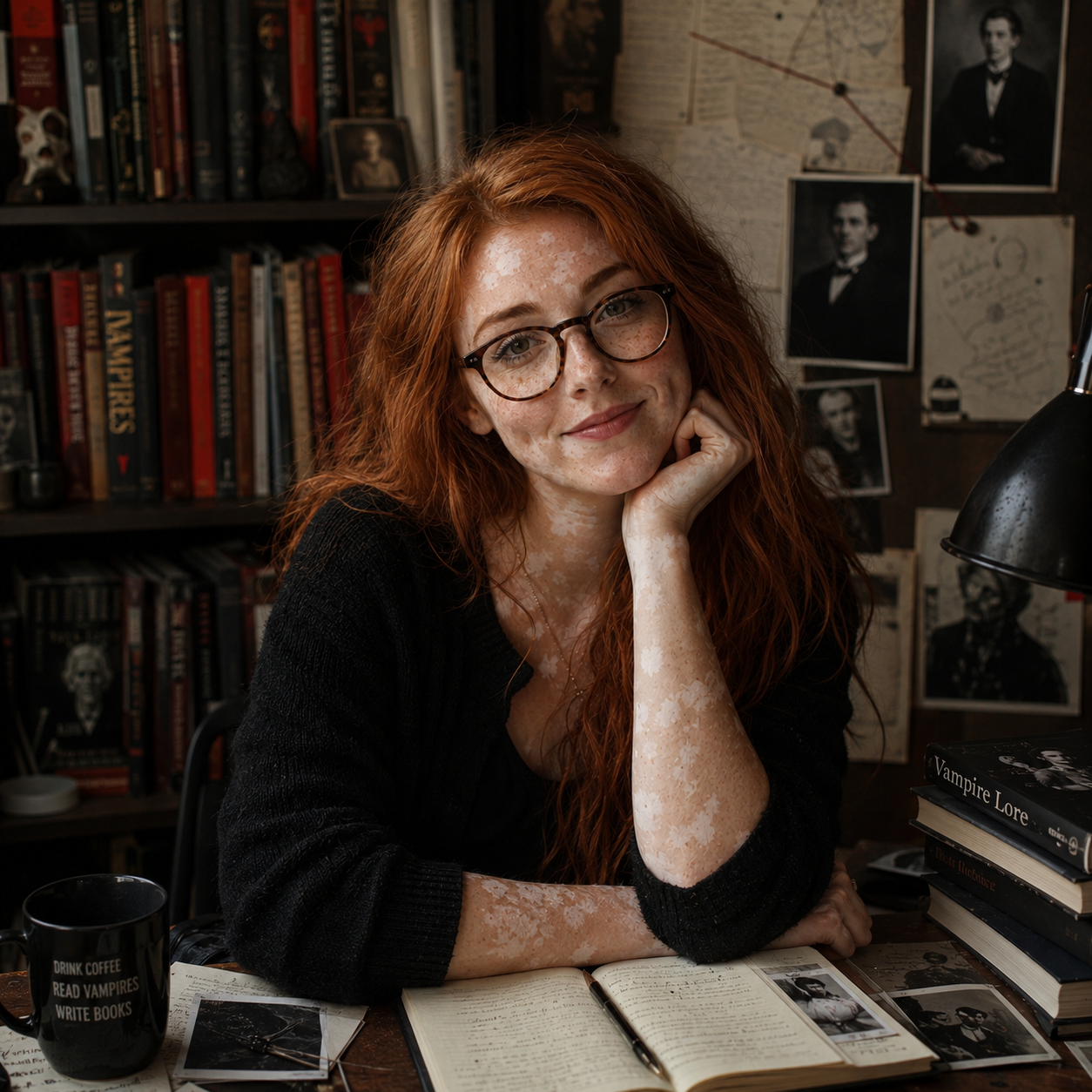
Vampire romance is ridiculous on paper and strangely effective in practice because it turns danger, devotion, beauty, and restraint into one impossible fantasy.
The pretty problem in the room
Vampire romance is ridiculous on paper and strangely effective in practice because it turns danger, devotion, beauty, and restraint into one impossible fantasy. That is why vampire culture keeps finding new audiences even after every generation declares that it has seen enough capes, castles, and candlelit bad decisions. The vampire is not merely a monster. The vampire is a mirror with better cheekbones. He shows people what they want, what they fear, what they romanticize, and what they would absolutely advise a friend to avoid in real life. That contradiction is not a flaw. It is the engine.
The first thing to admit is that romance with danger is not an accident. Vampire stories know exactly what they are doing when they make danger look elegant. That does not mean the audience is foolish. It means the story has found a safe way to let people examine unsafe things. Attraction, fear, control, devotion, jealousy, isolation, and desire are all easier to discuss when the man in question has been dead since 1783 and cannot actually text you at midnight with a paragraph that begins, 'I know I disappeared, but...'
That is why control and consent matters. A vampire romance, a gothic heroine, or a female vampire queen is rarely just about blood. It is about the rules around desire. Who is allowed to want? Who has to hide wanting? Who gets punished for wanting too much? Who uses beauty as a mask, and who uses beauty as armor? The genre may wear black velvet, but underneath the fabric it is often asking brutally practical questions. What do you do when the thing that fascinates you could also ruin you?
The fantasy is allowed to be a fantasy
People sometimes talk about vampire romance as if every reader needs a safety briefing before opening the book. That misses the point. Most readers understand the difference between a fantasy and a life plan. Enjoying a fictional vampire does not mean someone has forgotten how locks work. It means the story offers controlled danger, and controlled danger is one of the oldest tools in storytelling. You can love the candlelit castle and still know you would text your location to a friend before going inside. Standards and imagination can exist in the same purse.
The better question is why this fantasy keeps working. Part of it is immortality heightens stakes. Modern life is noisy, distracted, and often emotionally lazy. A vampire, at least in fiction, tends to be focused. He notices. He remembers. He may remember too much, which is its own legal concern, but he is rarely casual. In a culture where people can barely commit to dinner plans without three reschedules and a vague 'we should totally,' the idea of someone who has waited centuries can feel dramatic in a way that ordinary dating has not earned.
The women are not decorations
The strongest vampire stories also understand that the women are not just there to react beautifully near a window. Female vampires, gothic heroines, strange girls, doomed brides, sharp-tongued survivors, and women who refuse to be ordinary often carry the real intelligence of the story. They notice the pattern first. They ask the rude question. They recognize the danger under the charm. Sometimes they become the danger, which is often when the story finally gets honest.
That is where fantasy versus advice becomes powerful. A woman in vampire fiction is frequently punished for the same traits that make male vampires iconic: appetite, confidence, secrecy, intensity, refusal, and control. When a male vampire is mysterious, he is fascinating. When a woman is mysterious, people start diagnosing her at brunch. The genre exposes that double standard almost by accident. The female vampire says, 'Fine, if power makes you nervous, be nervous.' There is something refreshing about a character who stops apologizing for taking up the whole doorway.
Style is not the same thing as emptiness
Vampire culture also gets misunderstood because it is stylish. Some people see the black dress, the red lip, the old house, the candlelight, the careful silence, and assume the whole thing is shallow. That is lazy. Style is language. Gothic style in particular often says, 'I know the room is pretending everything is fine, and I am choosing not to participate.' It can be theatrical, yes. So can a courtroom, a wedding, a church service, and a political debate. Humans use presentation to tell each other what kind of moment they are standing in. Vampire stories simply make the presentation impossible to ignore.
That is why why the contradiction works has such lasting appeal. The best gothic women, whether they are human, vampire, or suspiciously calm for someone standing near a crypt, do not rely on darkness because darkness is cute. They use it because it creates space. It lets them be unreadable in a world that is constantly demanding access. A black dress can be elegance. It can be armor. It can be a joke. It can be a warning. Sometimes it is all four before lunch.
The part people keep coming back for
The reason articles like this belong on VampireDigest is simple: vampire culture is never only about vampires. It is about how people negotiate attraction and fear. It is about the difference between power and cruelty, mystery and avoidance, devotion and obsession, beauty and manipulation, danger and drama. The vampire lets us talk about these things with enough distance to be honest and enough glamour to keep it interesting.
That distance matters. If you say, 'Some people mistake emotional unavailability for depth,' half the room may nod politely and check their phones. If you say, 'The vampire has a castle, a coffin, and still cannot communicate,' suddenly everyone knows exactly who the article is about and nobody has to name names. Monsters are useful because they let truth wear a cape. The cape is not the point. The truth is.
Keep the bite, keep the brain
So when we talk about why vampire romance works even when it absolutely shouldn’t, the goal is not to drain the fun out of the fantasy. Keep the candlelight. Keep the bite. Keep the impossible cheekbones and the dramatic hallway. But keep the brain too. The best vampire stories work because they let us want something while still noticing what it costs. That is a grown-up kind of fantasy, not because it is grim, but because it admits desire has consequences.
And that may be the real reason vampire stories keep surviving every trend cycle. They let people enjoy beauty without pretending beauty is harmless. They let people enjoy darkness without pretending darkness is wisdom. They let people enjoy romance without pretending every intense stare deserves a lease agreement. The genre is dramatic, but underneath the drama it often has better judgment than the characters.
The vampire walks in looking like a mistake you would absolutely notice. The story works when it lets you notice, smile, and still remember where the exits are. That is the balance. That is the thrill. That is why the night keeps getting invited back.